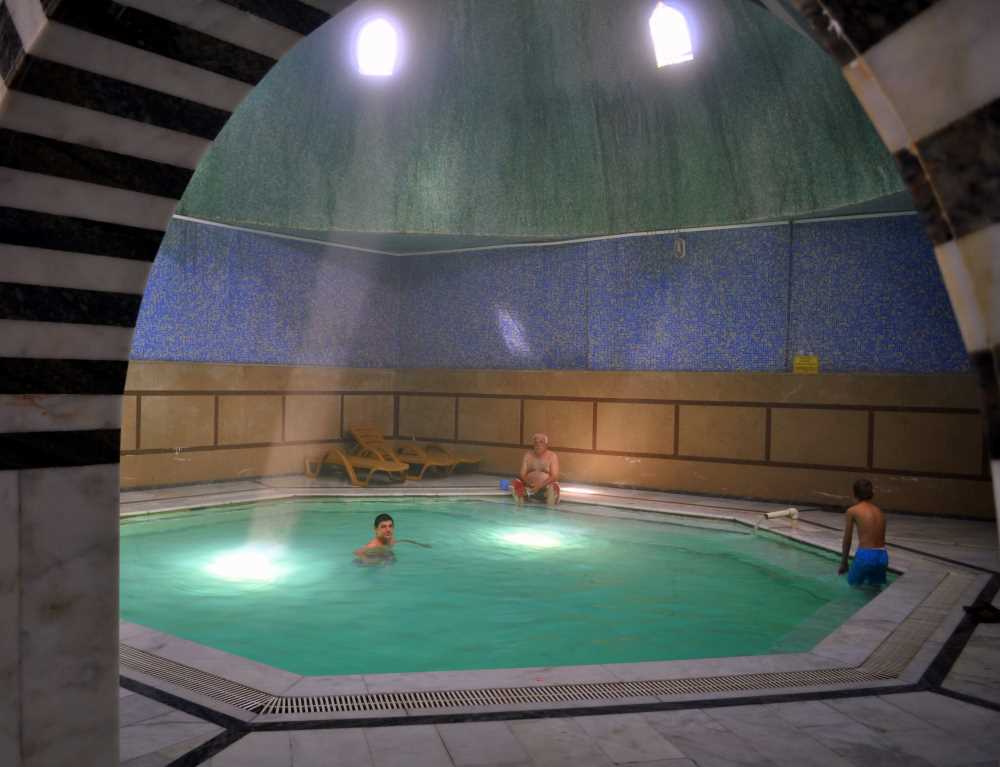
A 2,000-year-old heritage in Sarıkaya: the Roman bath and its King's Daughter legend, now a UNESCO candidate
In the town center of Sarıkaya in Yozgat, the Roman Bath, built directly over the hot water at its source, has continued to be fed by the same thermal spring since the 2nd century AD. Known locally as "Kral Kızı Hamamı" (King's Daughter Bath), the structure was added to the UNESCO World Heritage Tentative List in 2018.
Although much of it has collapsed over time, its surviving vaulted facade is considered one of the most authentic Roman-era bath remains preserved in Anatolia. Located about 80 kilometers from the Yozgat city center, the structure stands right in the middle of Sarıkaya district; visitors do not need to travel further, as they find the bath within the town square itself. Recorded in international sources under the name "Basilica Therma," the bath has drawn attention for centuries thanks to its water, which emerges from the source at around 45 degrees Celsius.
The building's west-facing vaulted facade wall, about 30 meters long, is almost mirrored in the large thermal water pool in front of it; with its marble arches and symmetrical proportions, it has become one of the region's most photographed historic sites.
The structure, built in the Roman period, was not confined to a single era. It is known to have been used during the Byzantine, Seljuk and Ottoman periods as well, showing that the thermal water in the region has been an uninterrupted center of attraction for centuries.
Where does the name "King's Daughter" come from?
According to a legend told among local residents, the daughter of a king living in Kayseri fell ill with a disease considered incurable, and recovered after bathing in these waters. Over time, this story led to the structure being called "Kral Kızı Hamamı" (King's Daughter Bath). There is no scientific health claim regarding the mineral content of the water; the story is passed down as a legend belonging to the region's oral history.
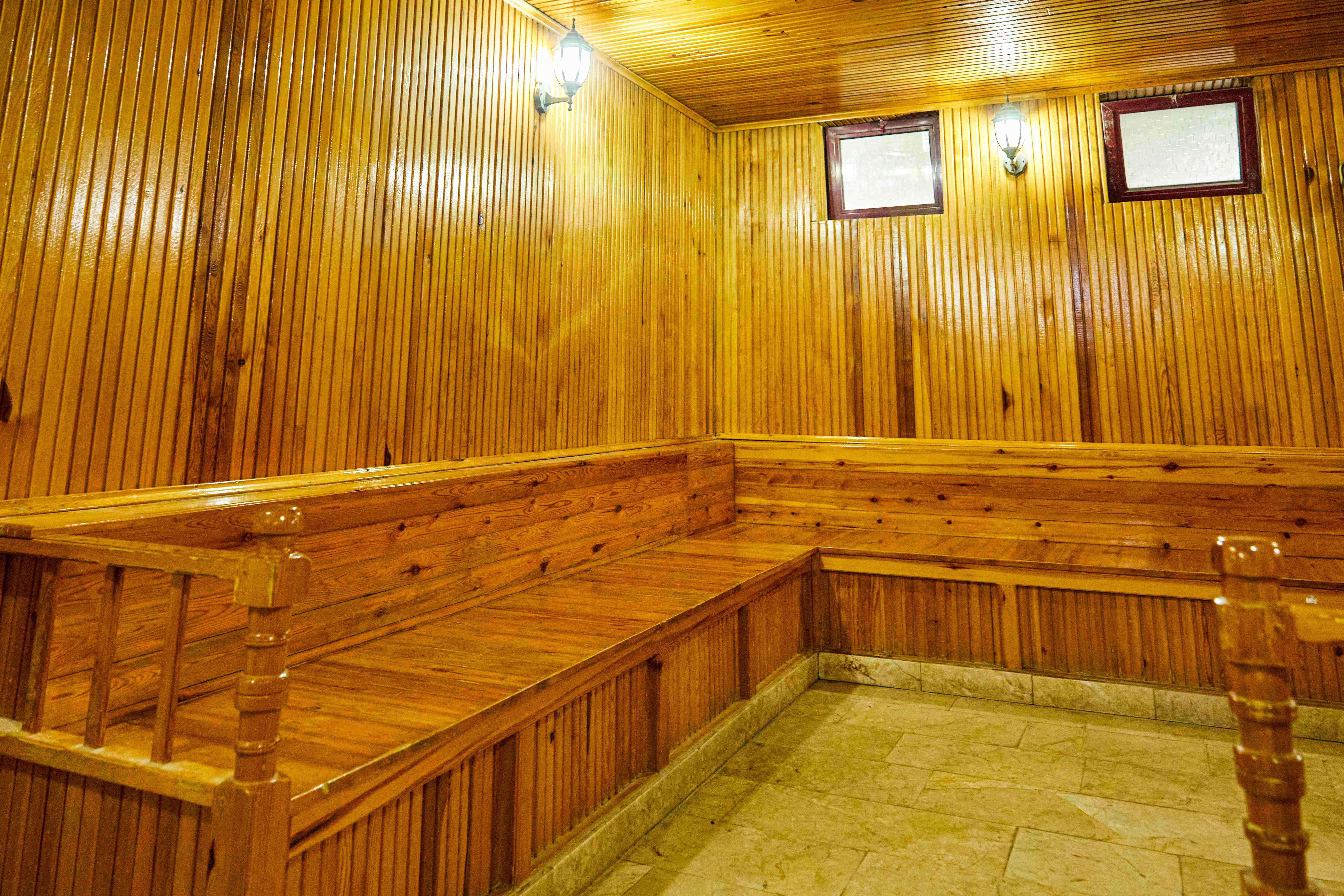
A structure made up of three separate pools
The part of the bath that survives today consists of three separate pools. In front of the facade lies an open thermal pool measuring 23.30x12.80 meters and 1.34 meters deep. Behind the facade is an enclosed pool measuring 16x4 meters with symmetrical stairs, and to the east of the structure is a third pool with a semicircular edge measuring 15x5.20 meters. These dimensions show that the structure was designed not as an ordinary hot spring but as a planned Roman-era thermal facility.
Restoration complete, but not a bathing facility
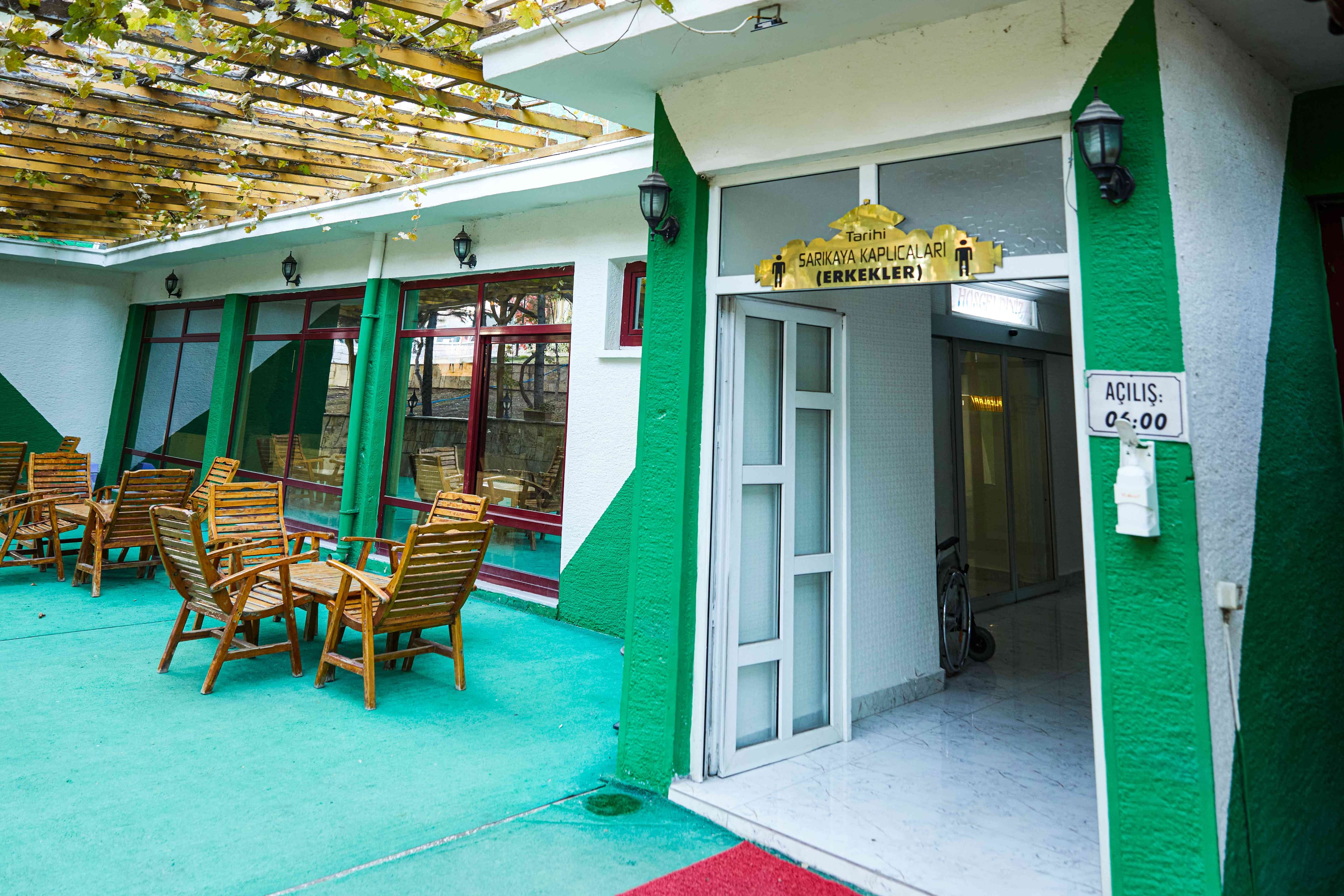
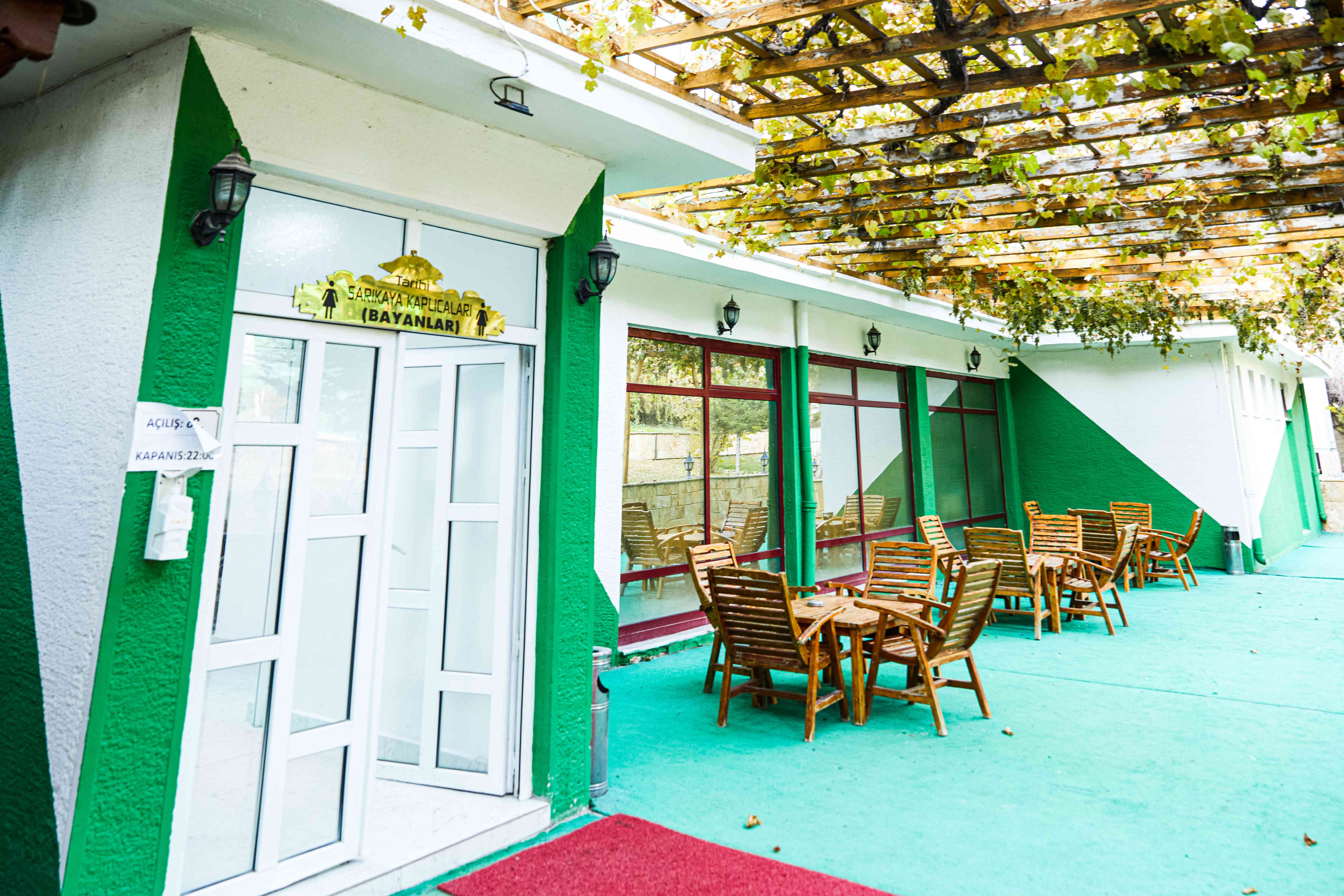
Landscaping work that began in 2022 under the supervision of the Yozgat Museum Directorate was completed in August 2024. Following this work, the structure became more visible and a more comfortable visitor route was made available. Today, the site is not an active bathing facility; it is maintained as a protected archaeological site and historic place to visit. Visitors are advised to confirm current opening hours and conditions with the Sarıkaya Municipality or the Yozgat Museum Directorate before visiting.
The structure's inclusion on the UNESCO World Heritage Tentative List does not mean it has permanent World Heritage status; a separate application and a lengthy evaluation process are required for entry onto the permanent list. The Sarıkaya Roman Bath remains one of the candidates being followed in this process.