
An unfinished secret in Sorgun's mountains: 3,200-year-old Hittite sculpture workshops
In Sorgun's Karakız village and the Kazankaya area, traces remain of a sculpture workshop dating to the Hittite Empire period. An unfinished lion statue amid rocky terrain, worked basalt blocks and a water cistern carved into rock date back roughly 3,200 years.
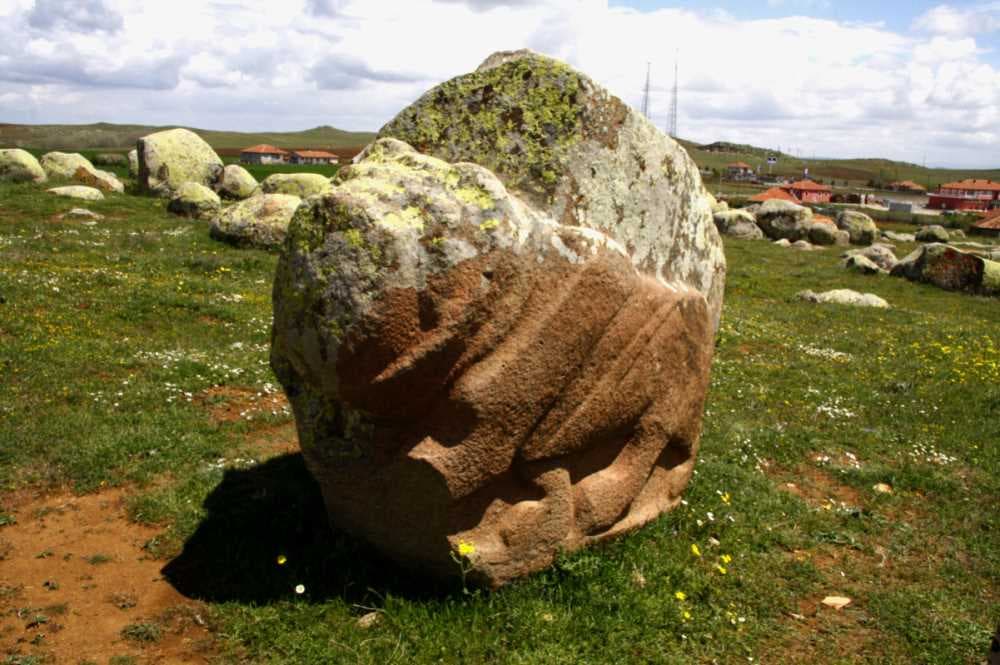
The site has no official museum infrastructure, but it can be reached by road. In Karakız village, part of Yozgat's Sorgun district, about 15 kilometers from the district center, a rocky area was used as a quarry and sculpture workshop during the Hittite Empire period. In the area roughly 500 meters north of the Karakız municipal service building, an unfinished lion statue along with worked and partially worked basalt stones still remain in place today.
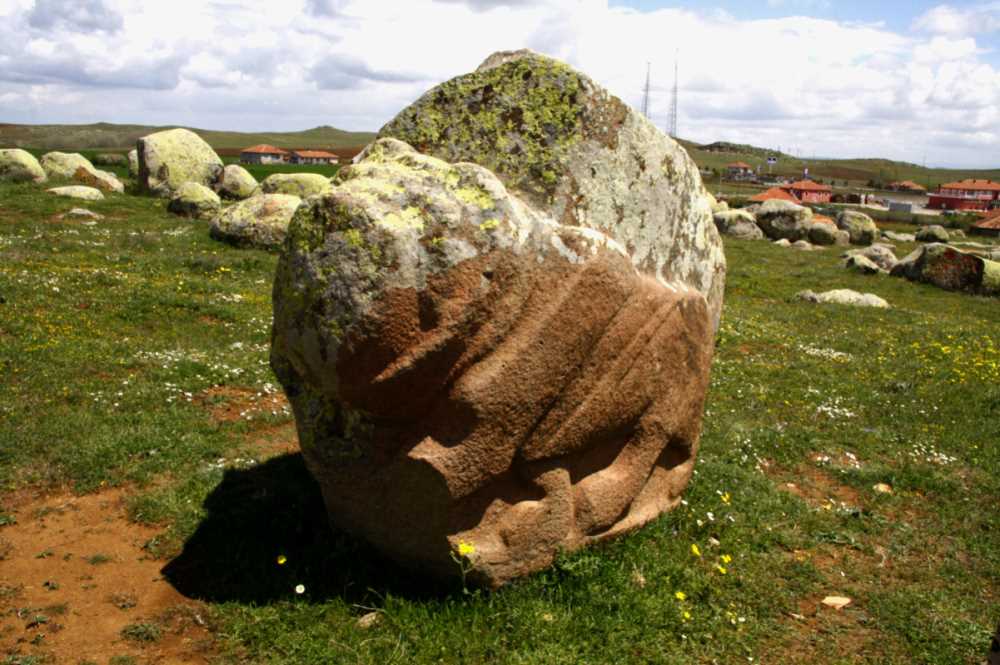
Traces of the workshop were first noticed on 28 May 2008 by a team led by British archaeologist Geoffrey Summers, who had been excavating the large ancient city at Kerkenes Mountain since 1993. While tracing lost settlements in the surrounding area, the team came across statues left unfinished in the rock; the find revealed a previously unrecorded Hittite production site in the region.
Dating to the late 2nd millennium BC
Françoise Summers, a researcher on the Kerkenes Excavation Project, assessed the find as follows: "The unfinished lion statues found in Karakız village are thought to date to the late 2nd millennium BC."
The site was documented in detail with photographs in 2011; the findings were the subject of academic publications in 2012 and 2013 and were registered as a protected site on 2 May 2013. Scientists also identified statues in the rock carved in the shape of column bases. However, registration has not fully protected the area from treasure hunters; reports have indicated that some blocks in the rock have been damaged by dynamite used in illegal excavations.
A water cistern at Kazankaya, three separate sites
About 1 kilometer south of the Karakız-Kadışehri road, in the Kazankaya area, there is a water cistern 2 meters in diameter carved into the rock, along with partially worked basalt stones. The remains continue not only at Kazankaya but also at the Armutlu and Hapisboğazı areas; the three sites are considered parts of the same Hittite-era production site.
The stones carved at the workshop are said to have been transported to Hattusa and Alacahöyük, important centers of the era. The fact that the discovery emerged during a field survey conducted around Kerkenes also draws attention to the production-transport link among these three centers.
The area has no visitor center, information signage or entrance fee. After the road from the Sorgun district center to Karakız village, the rocky area can be reached using the municipal service building and the Karakız-Kadışehri road as reference points. The limited protective infrastructure, despite the site's protected status, calls for caution among history enthusiasts visiting the area. Away from crowds, the rocky terrain within walking distance remains one of Yozgat's lesser-known stops for those seeking a quiet history and nature trip.