
The 247-year-old mosque at the heart of Yozgat: traces of Turkish baroque in its dome
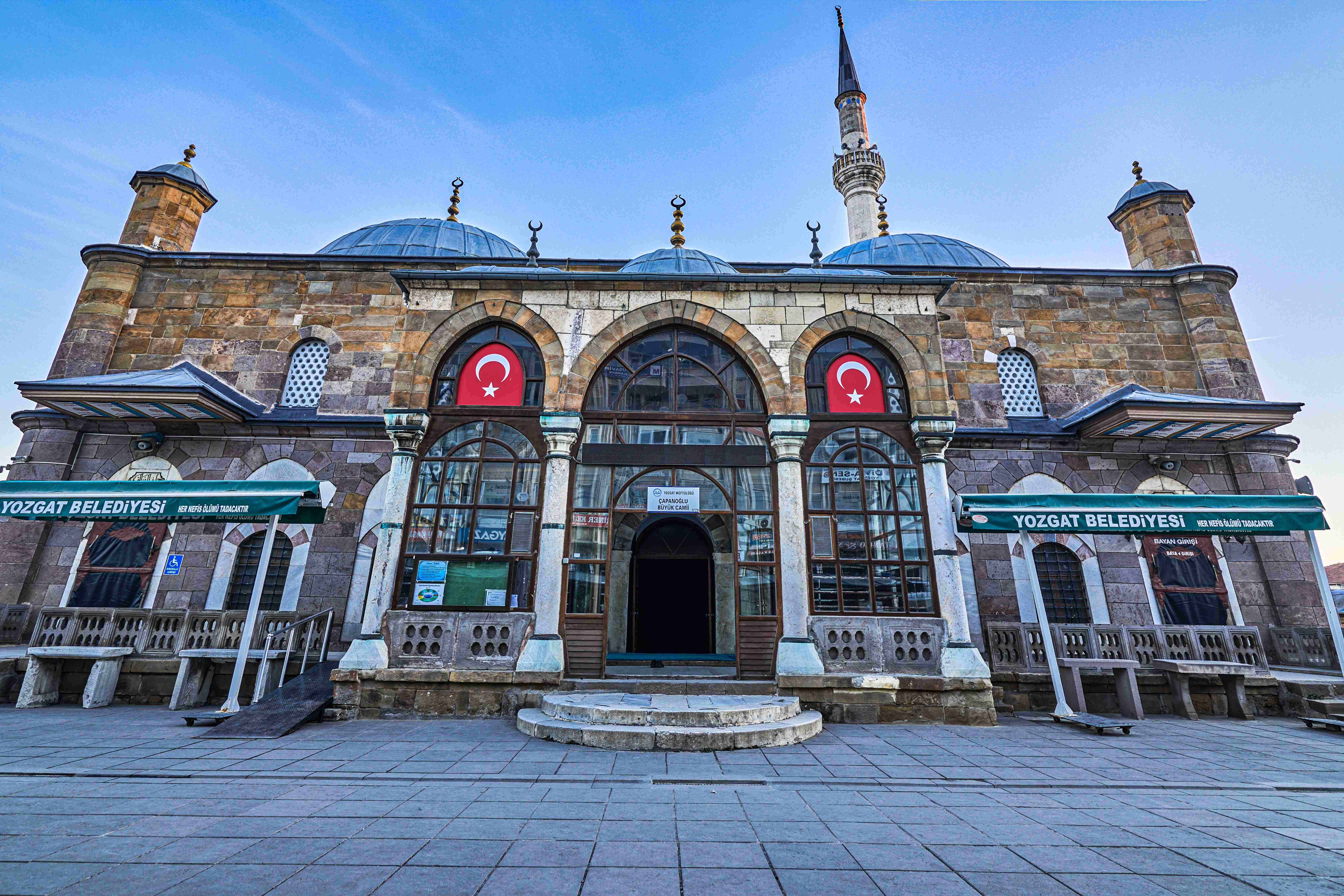
In the İstanbulluoğlu neighborhood in downtown Yozgat, adjacent to Cumhuriyet Square, Çapanoğlu Mosque has stood for more than two centuries as the city's oldest and largest place of worship. Also known among locals as Ulu Cami (Grand Mosque) or Büyük Cami (Great Mosque), the structure, with its dome exceeding 15 meters and its hand-painted decorations, is considered one of the rare examples of Turkish baroque architecture in Anatolia.
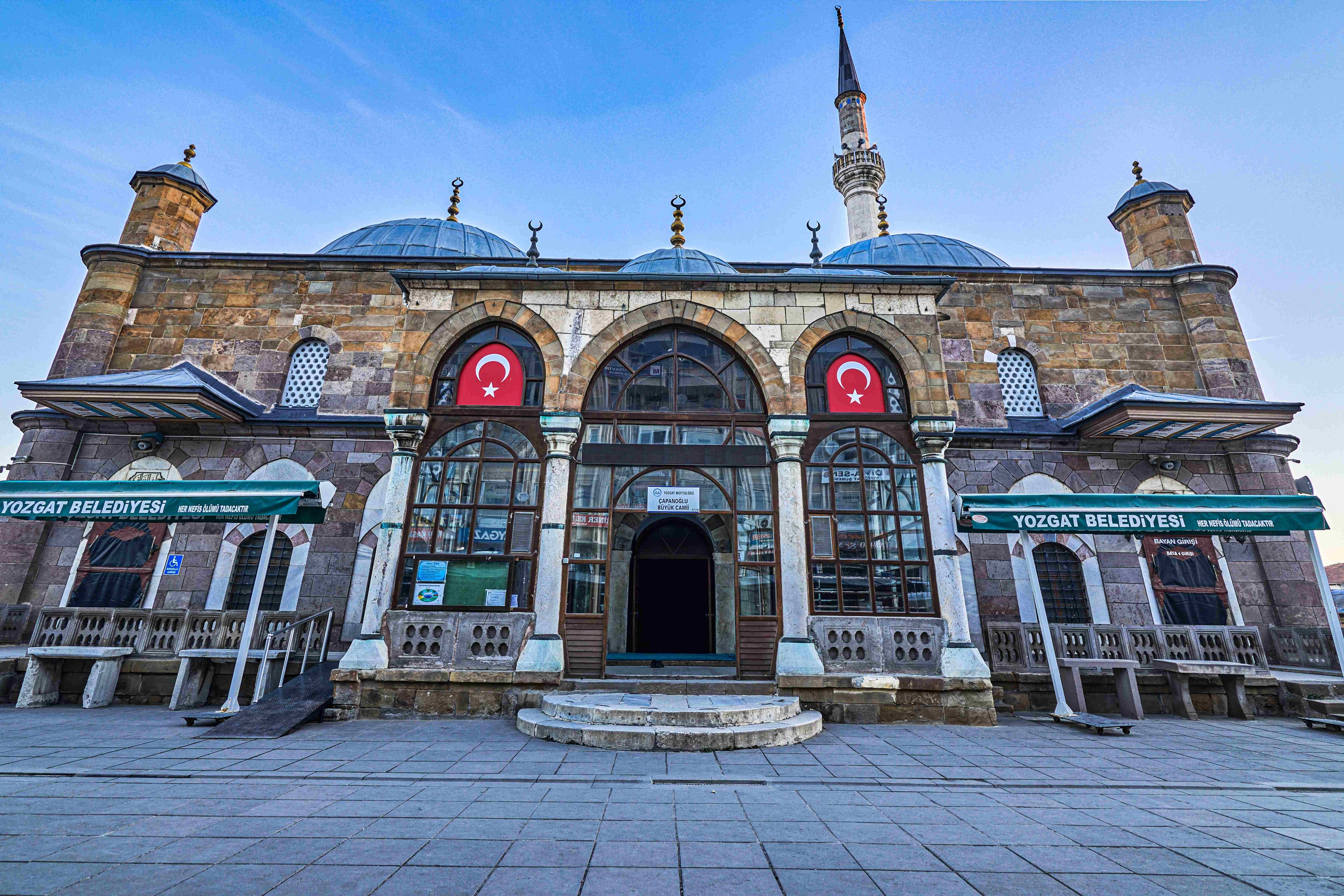
Today the mosque draws crowds both at prayer times and from visitors curious about its history. Construction began with the inner section of the mosque, built in 1779 by Çapanoğlu Mustafa Bey, governor of Bozok Sanjak. Fifteen years later, Mustafa Bey's brother Süleyman Bey added the outer section that gave the building its present-day size, between 1793 and 1794.
The Çapanoğlu family was a powerful local dynasty that dominated Bozok Sanjak in the 18th century. In keeping with the architectural tradition of the era, the family endowed the city center with a large mosque while expanding the structure over two generations; today the architectural difference between the mosque's inner and outer sections still bears the traces of these two construction phases. Although completed at different times by the two brothers, these sections, while part of the same complex, were each designed as self-contained spaces in their own right.
Traces of Turkish baroque in the dome
Built of cut stone, the rectangular inner mosque is covered by a dome 15.15 meters in diameter. With its single-balcony minaret, 54 windows and spacious courtyard surrounded by high walls, the structure is considered one of the important representatives in Anatolia of the architectural approach shaped by European influence in the Ottoman period. The interior features a minbar carved from colorfully veined marble, acanthus leaf motifs and curving baroque ornamentation; the transitional elements linking the dome to the walls are also adorned with hand-painted decoration.
An 18-sarcophagus tomb on the eastern facade
On the mosque's eastern facade stands a square-plan tomb built of white cut stone. The tomb contains a total of 18 sarcophagi belonging to members of the Çapanoğlu family and to past notables of Yozgat. A traditional ablution fountain stands in the courtyard; this section has helped the mosque sustain its non-worship functions over the centuries as well. The tomb's plain exterior facade stands in clear contrast to the mosque's densely ornamented baroque interior.
A third entrance was added in 1964 to the structure completed in 1794; thus, despite the repairs it has undergone, the mosque has reached the present day largely preserving its original plan. Ranking among the top destinations for visitors coming to Yozgat today, Çapanoğlu Mosque continues to serve both as an active place of worship and as an architectural site to visit, standing as the city's most tangible historical heritage.