
Three flavors to try when visiting Yozgat: kebab cooked in a clay jug, cheese aged for three months
Yozgat's cuisine is known for three flavors that never leave visitors' lists: testi kebabı (clay-jug kebab), arabaşı soup and çanak peyniri (clay-pot cheese). All three draw on the region's soil, its hearths and methods passed down over the years. Here are the three local tastes to look for on the table when visiting Yozgat.
From Yozgat's central restaurants to village tables in the countryside, three names stand out: kebab cooked in a clay jug, arabaşı soup, a winter staple, and çanak peyniri, cheese aged buried in the ground. All three form the foundation of the city's gastronomic identity.
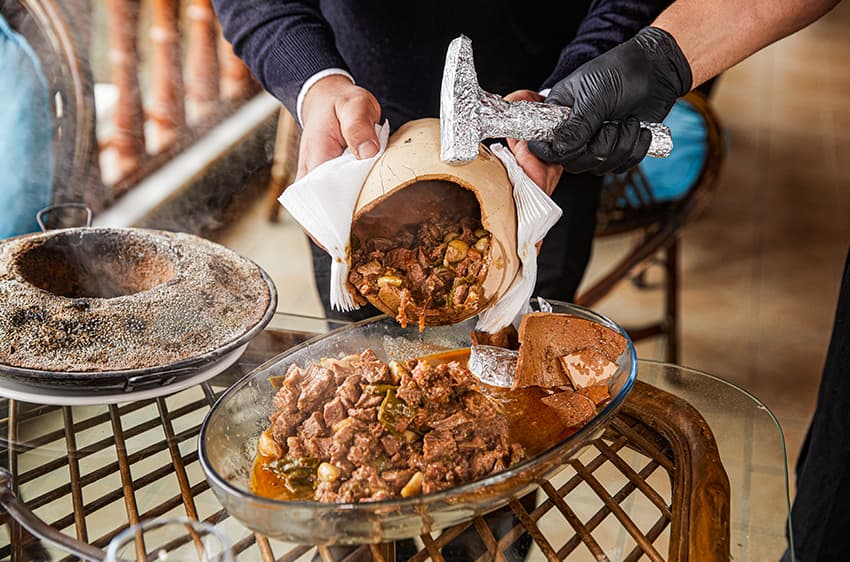
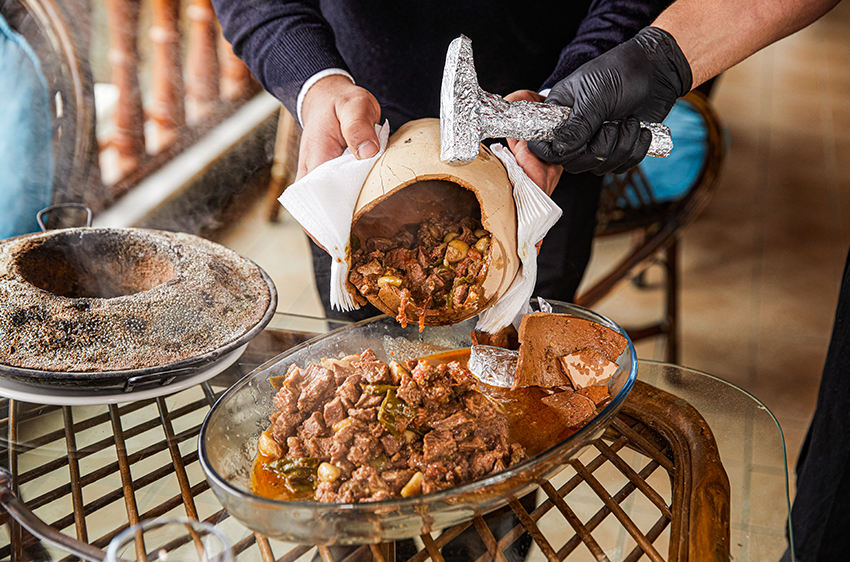
There has long been a "whose is it" debate between Nevşehir and Yozgat over testi kebabı, but Yozgat has its own distinct cooking tradition. Locals also call this kebab "desti kebabı."
Two hours of cooking in a clay jug: testi kebabı
For testi kebabı, meat, vegetables, butter and bay leaf are placed inside a clay jug. The mouth of the jug is sealed tightly with unleavened dough, with a small hole poked in with a finger to let air through. According to local custom, the real flavor comes from cooking the jug not in a bread oven but over an open fire fueled by oak charcoal; cooked this way, it takes between 1.5 and 2 hours.
Kebab restaurants in downtown Yozgat, such as Meşhur Desti Kebapçısı and 66 Kebap Salonu, are among the places serving this dish. The tradition of preparing testi kebabı in Yerköy, a district of Yozgat, is also separately noted in the region's culinary literature.
The soup that never leaves the winter table: arabaşı
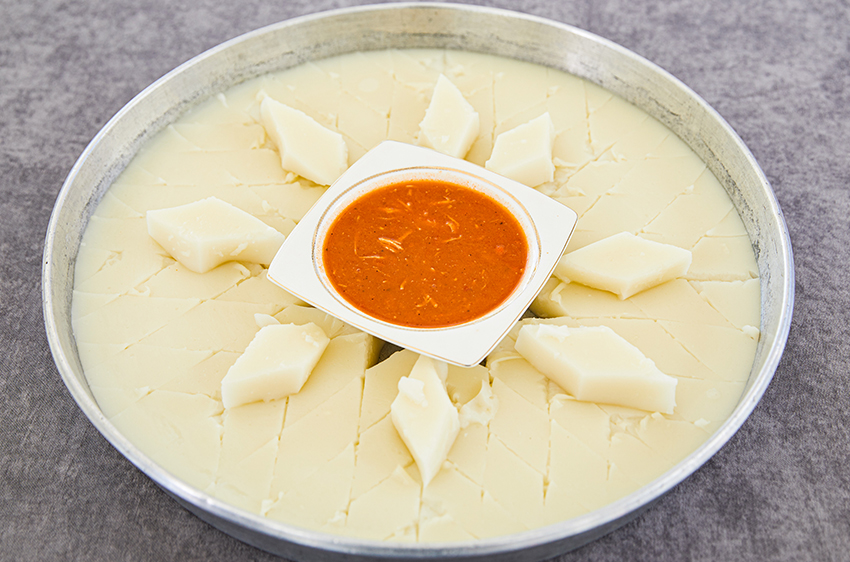
Arabaşı soup is made with chicken or turkey meat. The meat is first boiled and shredded, and the strained broth is set aside. In a separate pot, flour is browned in butter and tomato paste is added, after which the chicken broth is stirred in gradually and brought to a boil while stirring; the shredded meat is added to the soup at the final stage. The distinguishing element of the soup is a separately prepared dough: a firm dough made from water, flour and salt is poured onto a tray, cooled, then cut into squares and added to the soup.
Arabaşı, also known among locals in Yozgat as the "national dish," is a soup that especially takes its place on tables during the winter months. It is offered seasonally on menus at restaurants in the city center.
Cheese aged buried in the ground: çanak peyniri
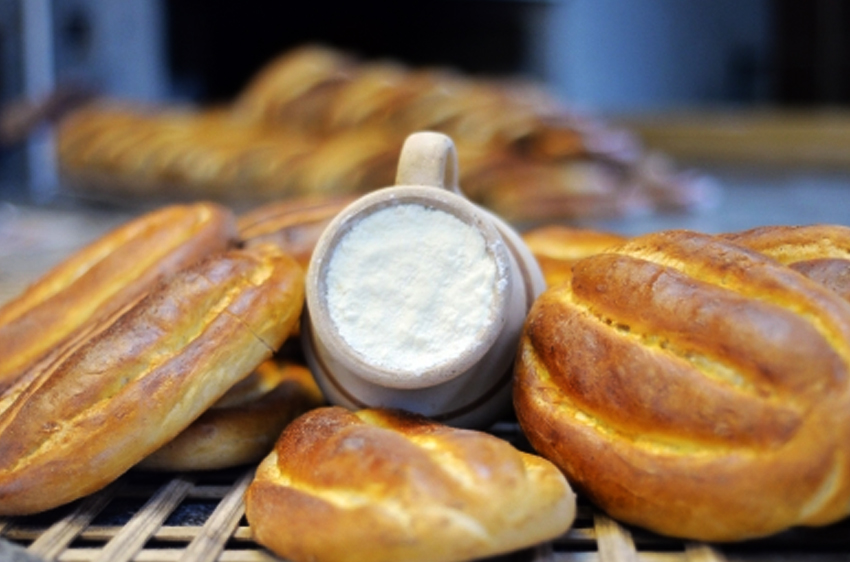
In çanak peyniri, also known in some regions as küp peyniri, milk is curdled at a temperature between 32 and 35 degrees. The resulting curd is divided into four pieces and hung in permeable cloth bags to drain. The drained raw cheese is cut into large pieces with a knife, salted, and packed by hand into a clay pot, pressed tightly so no air pockets remain. The pot is then turned upside down and buried so that more than half or all of it sits underground, left in a cool, slightly damp environment for at least three months.
This aging period gives the cheese a yellowish color, a semi-hard, crumbly texture, a mild aroma and a distinctive slightly bitter taste on the palate; these are the main features that set it apart from other cheeses. Yozgat Çanak Peyniri was registered with a geographical indication by the Turkish Patent and Trademark Office in 2017. Produced in the city center and its districts, the cheese can be found at shops selling local products and on breakfast tables.
Testi kebabı, arabaşı soup and çanak peyniri stand out as the three flavors visitors to Yozgat will want to see on the table before leaving the city. All three carry a cooking and aging tradition built over years into the present, using methods unique to the region.